
adventure blog
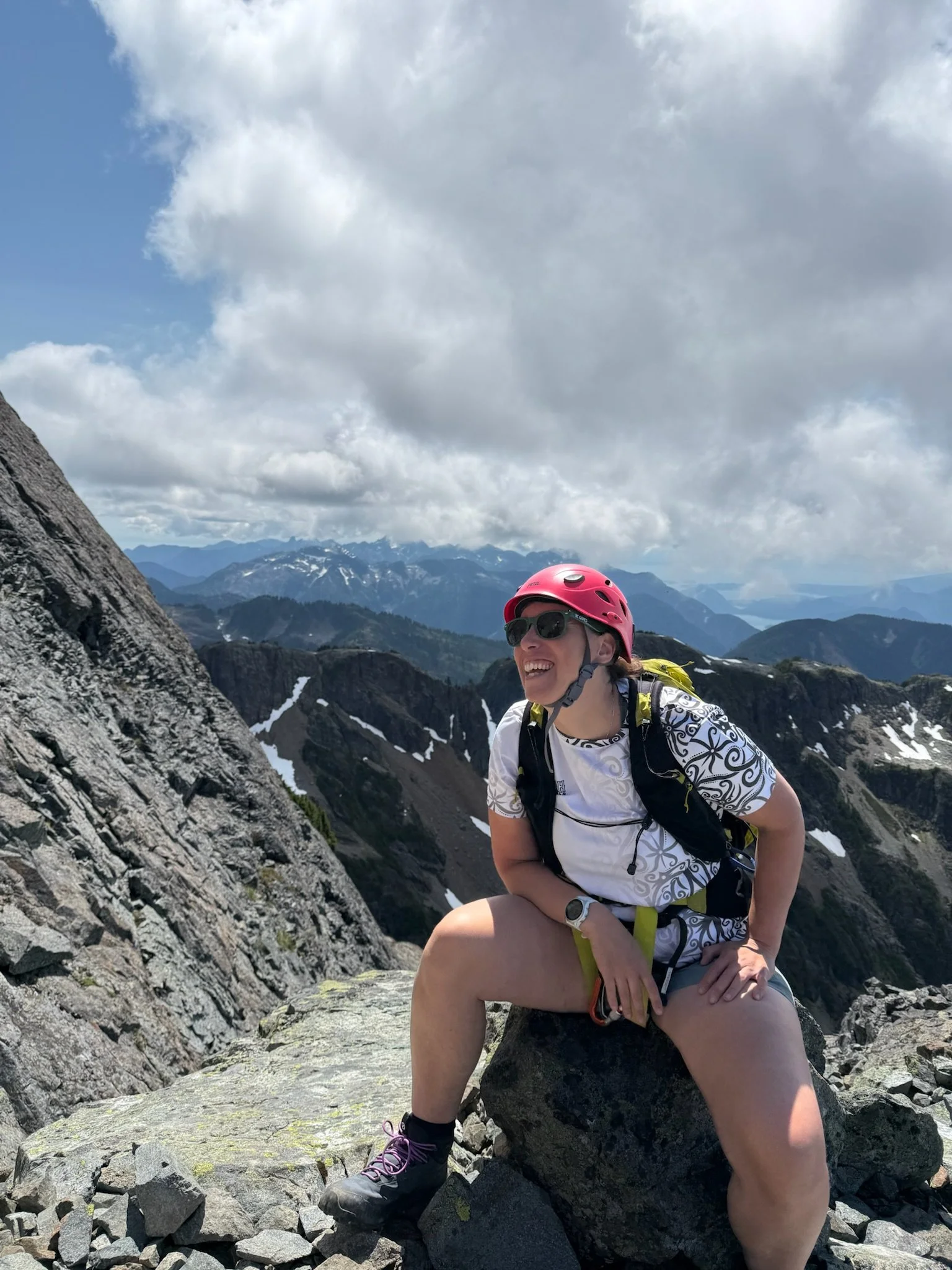
Sky Pilot: Sometimes the Best Summit Decision Is Turning Around
Fitness matters.
Skill matters.
But good judgment is often the most valuable safety tool you carry.
Choosing to turn around isn't admitting defeat. It's investing in every adventure that comes after this one.
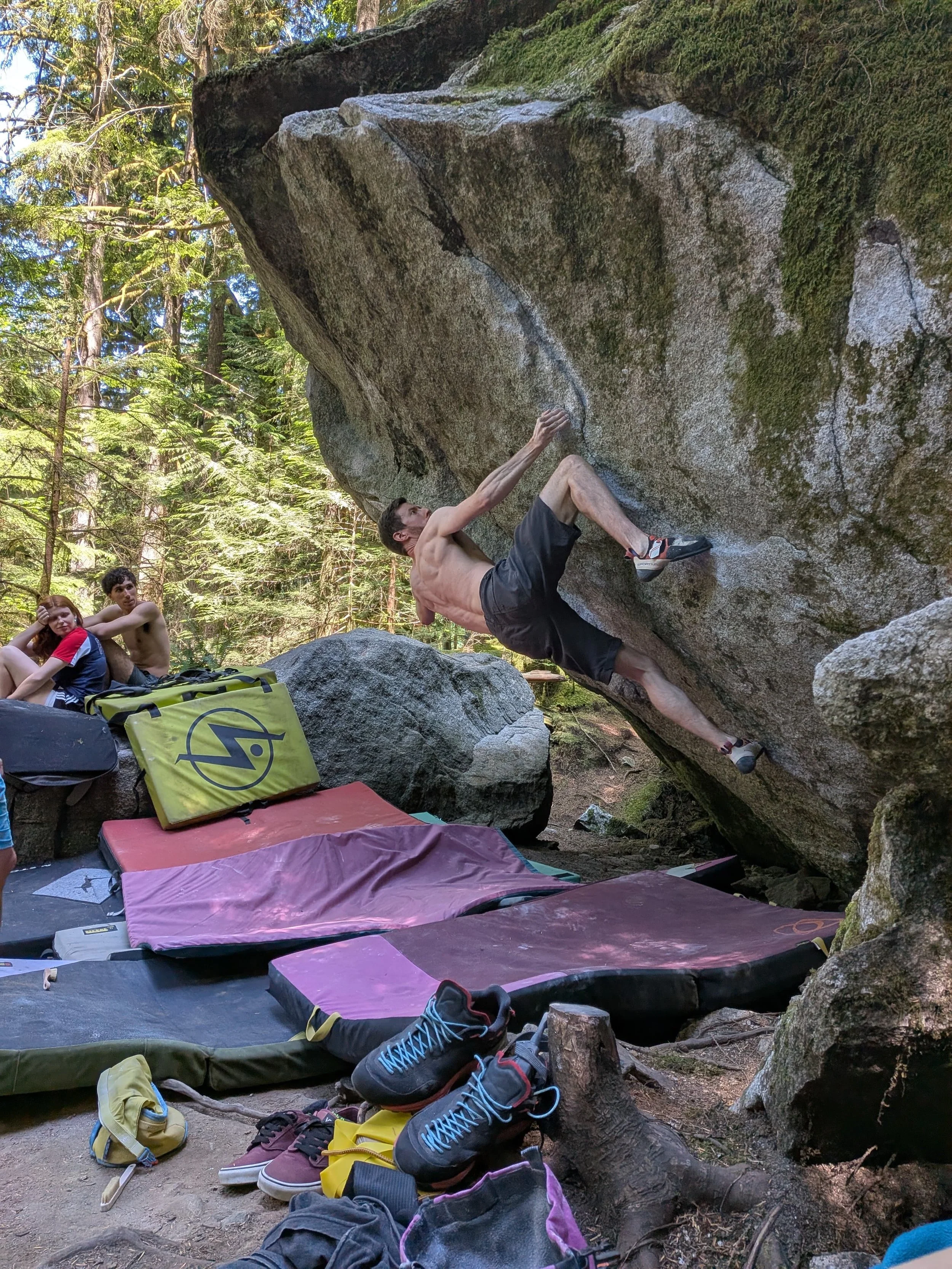
Send Report: Cradle Robber (V8)
Some projects take strength. Others just demand that you stop doing the wrong thing.
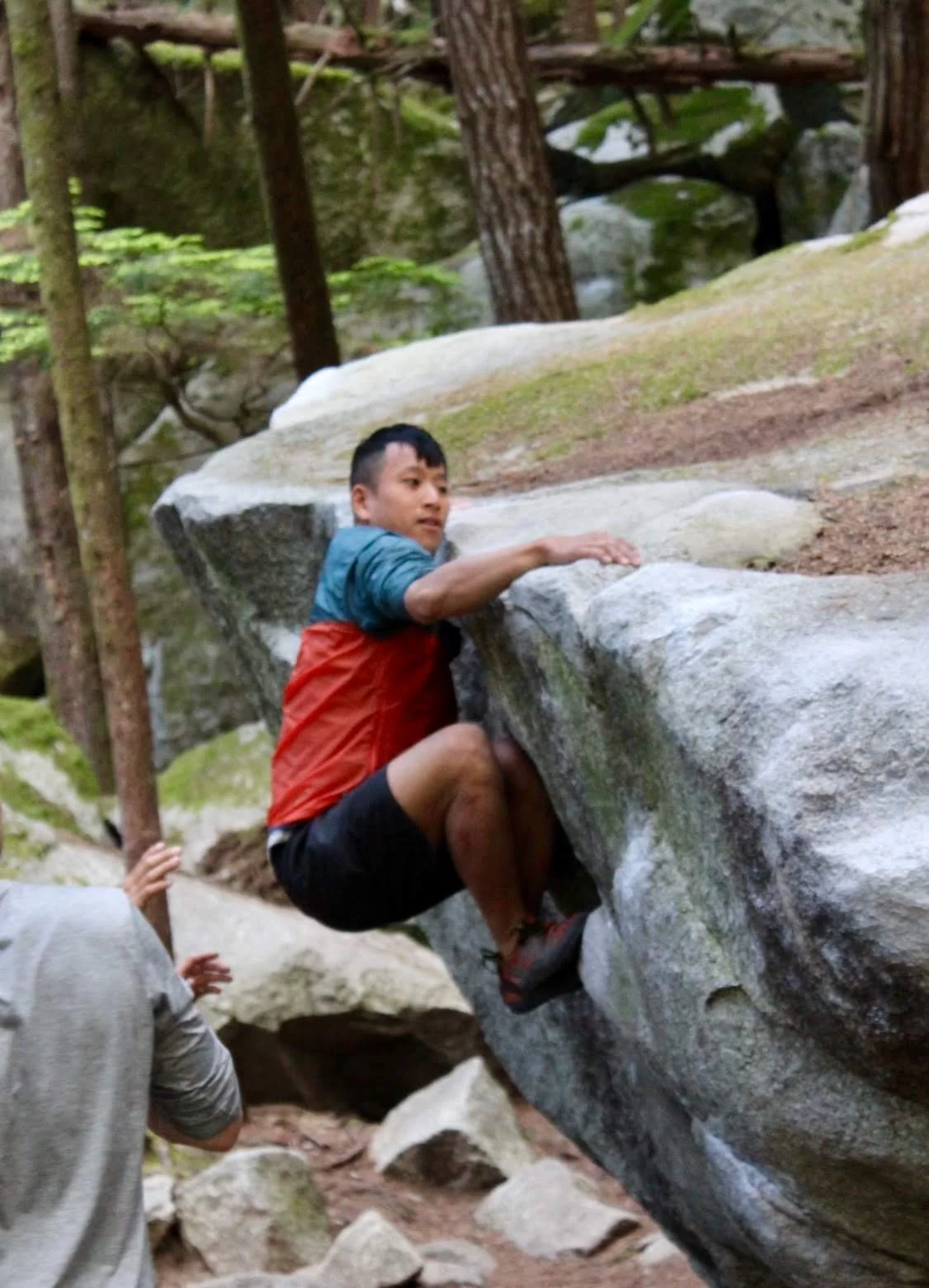
I finally managed to put together an ascent of Cradle Robber (V8) in the Magic Kingdom area of the N Wall Boulders on the Stawamus Chief in Squamish. It was one of those crisp June days where the granite felt sticky, the clouds were mostly elsewhere, and there was one less excuse for not sending.
Recovery Is Part of the Ascent… An Elios Health Perspective
In climbing, injury is rarely a single catastrophic moment. More often, it is a whisper that grows louder — a tendon that stiffens in the cold, a shoulder that hesitates under compression, an elbow that protests on the redpoint burn.
These setbacks can feel like exile. But they are not an ending.
They are an invitation to pay attention.
At Elios Health, we see recovery not as retreat, but as refinement. Registered Massage Therapy (RMT) becomes part of that process — a deliberate return to tissue quality, joint motion, and nervous system calm. It is hands-on work grounded in anatomy and informed by the demands of steep limestone, granite cracks, and long belays under coastal skies.
RMT addresses what climbing asks of the body. It reduces the simmer of inflammation in overloaded tendons. It restores glide to forearms braced in crimp. It coaxes rotation back into thoracic spines stiffened by hours on the wall. It creates space — not only in tissue, but in the mind of an athlete who has begun to doubt their durability.
Biomechanics of the Pull-Up
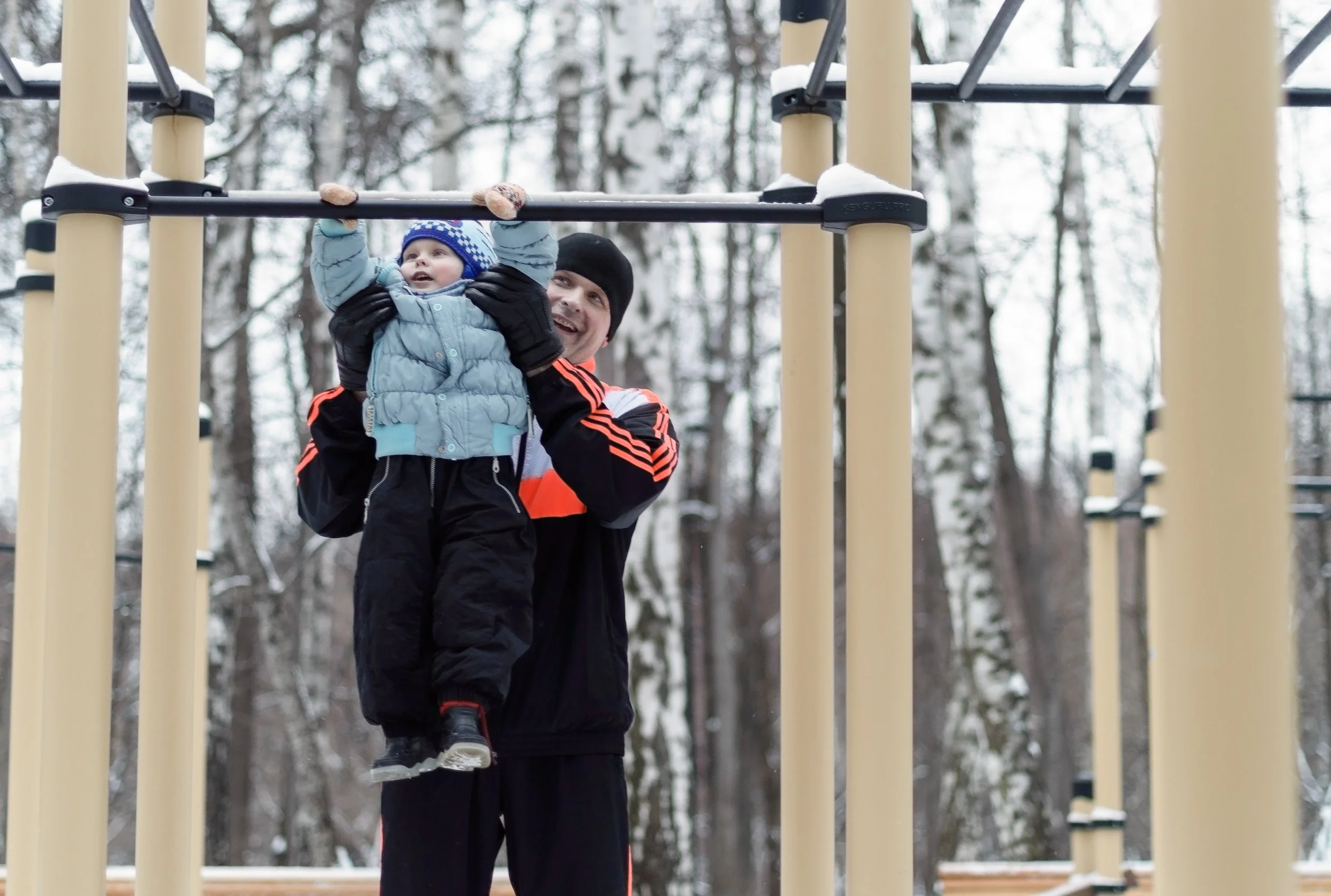
Pull-ups are a core training exercise for most climbers. The grip position used in a pull-up has a significant impact on which muscles are being used and therefore being strengthened. Understanding the anatomy and biomechanics of the different variations of the pull-up can help you more specifically target your strength training for specific muscle groups and movement patterns. This is particularly important for athletes with shoulder and/or elbow pain to ensure you are loading the different structures of the arm and shoulder appropriately.

Pinching, Crimping, and Big-Wall Blues: De Quervain’s Tenosynovitis
De Quervain’s Tenosynovitis is a painful condition that affects the tendons at the base of the radial (thumb) side of the wrist. De Quervain’s Tenosynovitis occurs when the tendons at the base of the wrist become irritated or restricted. This condition is often linked to activities requiring repeated wrist movements or grasping including gardening, tennis, texting, golf, hammering, and rock climbing.

Prevention and Treatment of “Belayer’s Neck”
Belayer’s neck is a term climbers use to describe pain and stiffness in the back of the neck that occurs as a result of looking upwards and belaying for long periods of time. The term belayer’s neck isn’t a single diagnosis, but rather a colloquial term used to describe a wide range of conditions that cause the symptoms belayers often experience at the back of their necks.

4 Stages of Recovery from Growth Plate Fractures
The bones of children and adults share many of the same risk factors when it comes to athletic injuries, however, because they are still growing, a children’s bones are more prone to a unique injury: epiphyseal fractures (growth plate fractures).
Through engaging in evidence-based practice, the physiotherapists at Elios Health will ensure you receive the best possible care when recovering from an injury and returning to your favourite sports and daily activities.

Recovery in Climbing (Part II) - 3 Ways to Recover
Part II of our series, “Recovery in Climbing.”
Can’t help but wonder - is there a difference in short, medium, and long-term recovery? Should you approach each differently? Short answer - yes.
Long answer - read on to learn more about how to maximize recovery from our Vancouver physiotherapy author Rachel Rubin-Sarganis.