
adventure blog

Ride stronger, heal smarter: Why motorcycle riders are turning to physiotherapy at Elios Health
Motorcycle riders in Vancouver trust physiotherapist and ICBC-certified instructor Len Chong at Elios Health. Whether you're prepping for your motorcycle license or recovering from a crash, Len combines expert rehab with real riding experience. Book now for motorcycle-specific treatment covered by ICBC.
What do acupuncturists do? Sports acupuncture might be what you’ve been missing!
Discover what acupuncturists do and how sports acupuncture helps with pain, recovery, and performance. At Elios Health in Vancouver, Crystal Gilhooly uses acupuncture to treat active bodies—climbers, runners, and everyday athletes—by reducing pain, restoring function, and speeding up recovery with evidence-based care.

Athletic Recovery: Gua Sha Therapy in Climbing and Sports Rehab
Gua sha is a traditional technique used to reduce muscle tension, improve circulation, and speed up recovery. At Elios Health in Vancouver, we use gua sha to relieve pain, break up adhesions, and support injury rehab—especially for athletes and active individuals. It’s a powerful tool for restoring mobility and relieving chronic or acute tightness.

Unlock your rehab plan: Sports massage with Jeremy Ivey in Vancouver
Looking for sports massage near me on Main Street Vancouver? Jeremy Ivey, former Olympic rowing coach turned clinician, offers expert sports massage and physiotherapy tailored for climbers, runners, and athletes. Optimize performance and recovery with coaching-informed care. Book now on Main Street Vancouver.
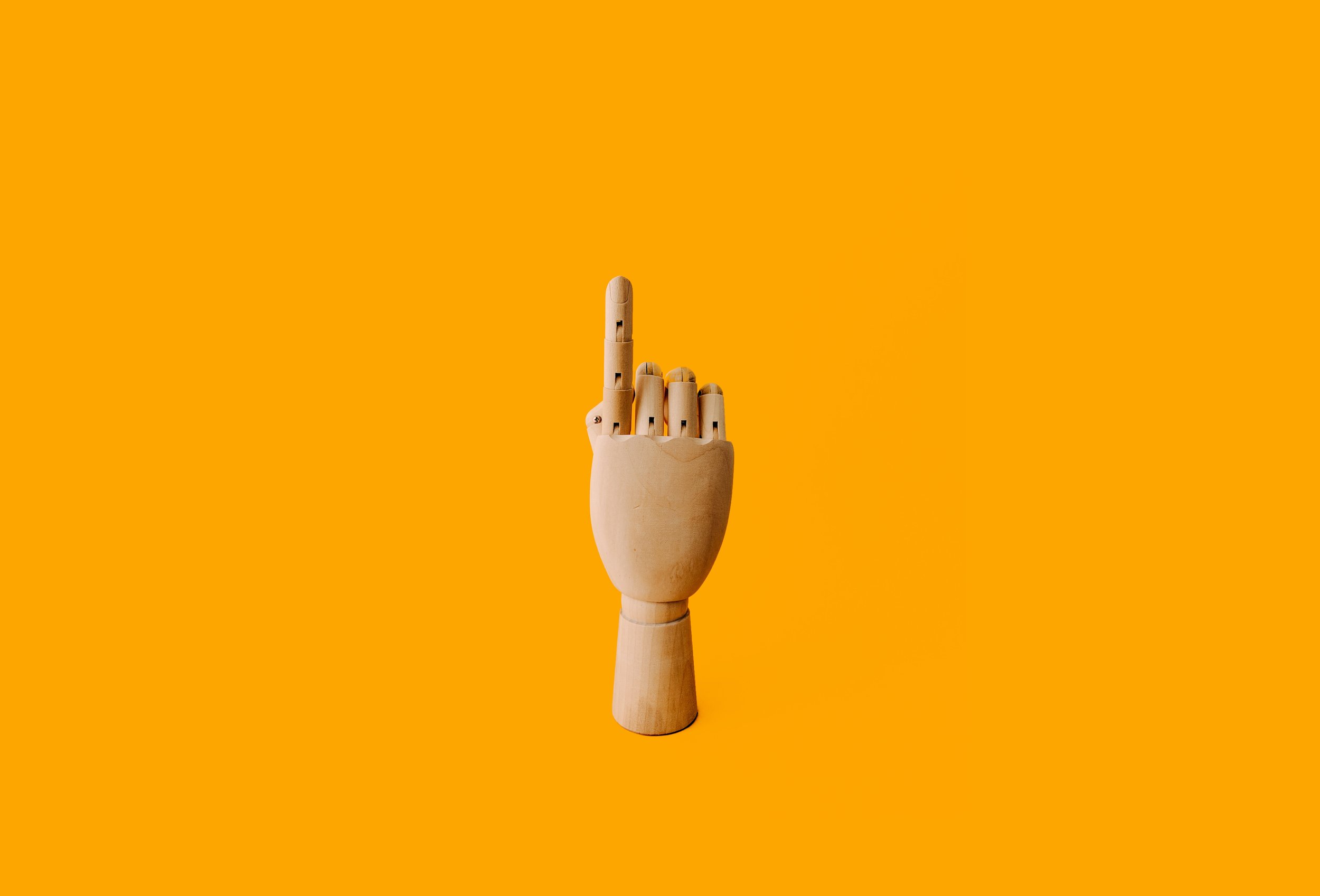
What’s Trigger Finger? (Stenosing Tenosynovitis)
Trigger finger is a condition where there is a size disparity between the flexor tendons and the surrounding pulley system at the first annular pulley (the A1 pulley). This causes the tendon to catch on the pulley as it attempts to glide through unless enough pressure is developed to allow it to forcefully move through the pulley. The exact cause of trigger finger is not always clear, but it is often attributed to overuse injuries or repetitive motions.