
adventure blog
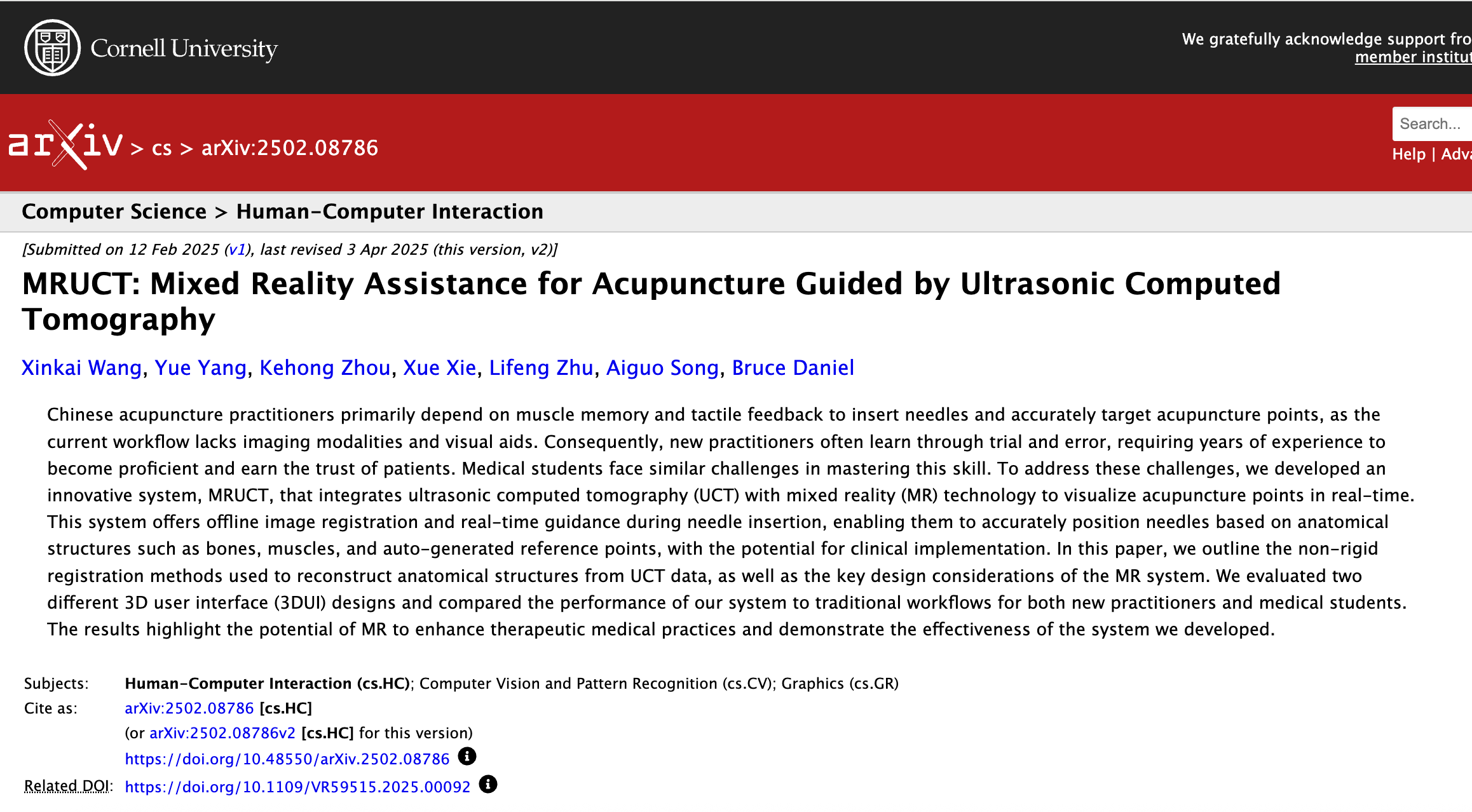
Seeing Beneath the Skin: The Promise of Mixed Reality + Imaging-Guided Acupuncture
In traditional acupuncture practice, locating and inserting needles at the “correct” acupoint (in location, orientation, depth) relies heavily on anatomical knowledge, palpation, and practitioner experience. Novices must learn via repetition, observation, and “feeling their way” over time. But what if technology could help “see beneath the skin” and provide real-time guidance? That is the central idea behind Mixed Reality + Imaging-Guided Acupuncture, sometimes specifically termed MRUCT (Mixed Reality Assistance for Acupuncture Guided by Ultrasonic Computed Tomography).
Acupuncturist Crystal hikes the Nootka Trail in 2025 (Part 2)
Sports Acupuncturist Crystal shares her itinerary on the Nootka Trail. Read on for more advice for tackling this incredible hike!
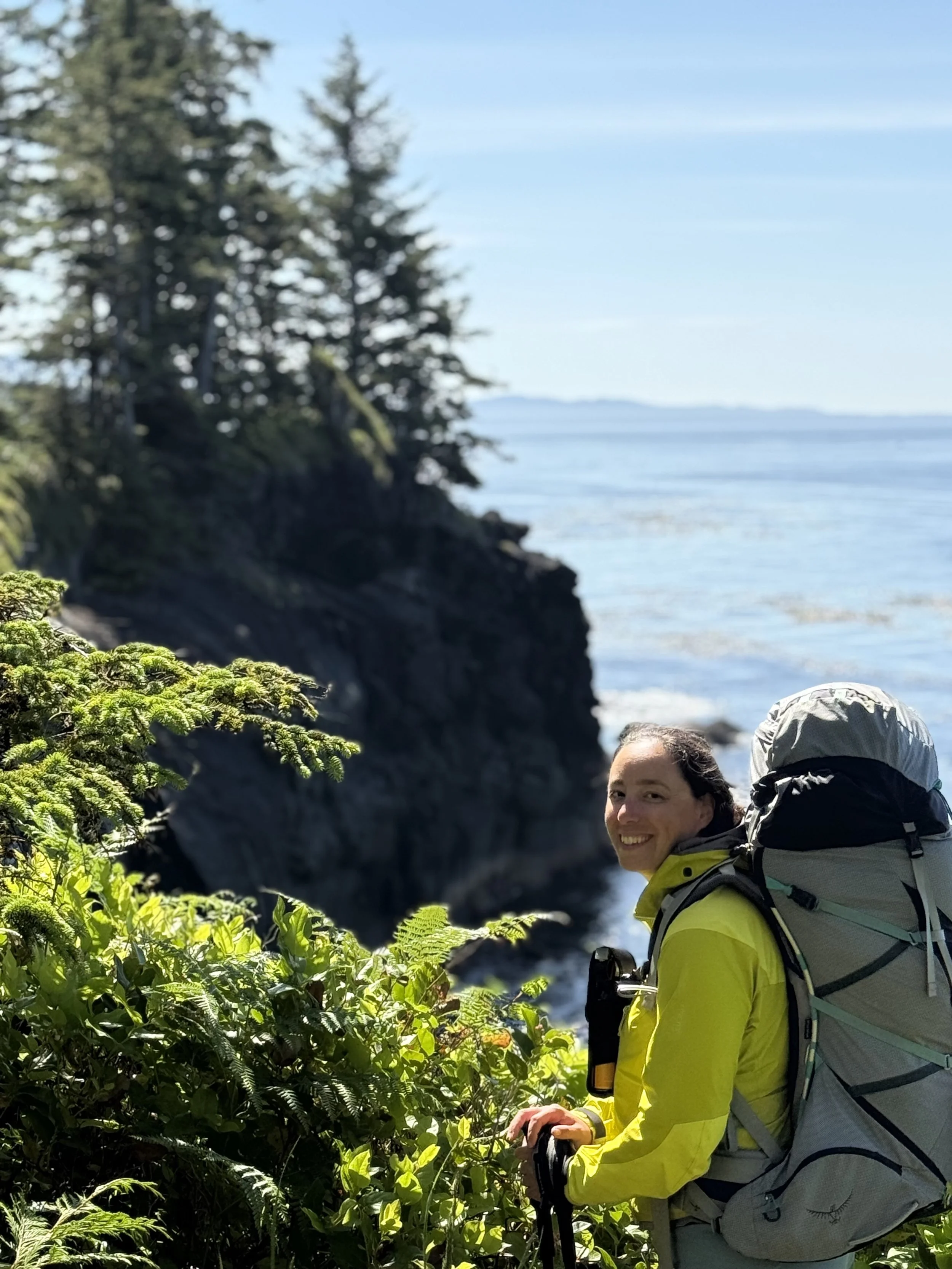
Acupuncturist Crystal hikes the Nootka Trail in 2025 (Part 1)
Sports Acupuncturist Crystal shares her adventures on the Nootka Trail. Read on for more advice for tackling this incredible hike!

Ride stronger, heal smarter: Why motorcycle riders are turning to physiotherapy at Elios Health
Motorcycle riders in Vancouver trust physiotherapist and ICBC-certified instructor Len Chong at Elios Health. Whether you're prepping for your motorcycle license or recovering from a crash, Len combines expert rehab with real riding experience. Book now for motorcycle-specific treatment covered by ICBC.
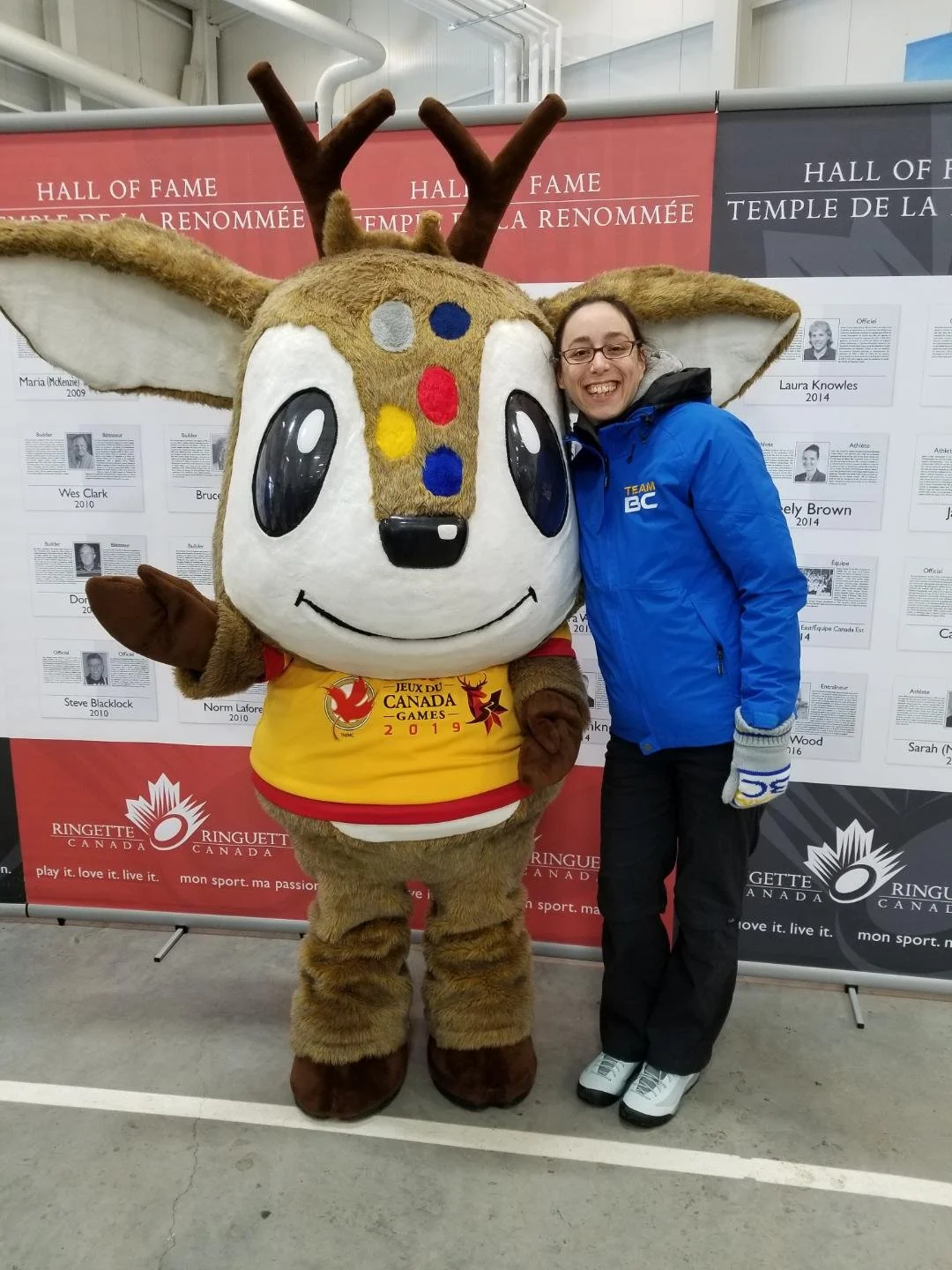
What do acupuncturists do? Sports acupuncture might be what you’ve been missing!
Discover what acupuncturists do and how sports acupuncture helps with pain, recovery, and performance. At Elios Health in Vancouver, Crystal Gilhooly uses acupuncture to treat active bodies—climbers, runners, and everyday athletes—by reducing pain, restoring function, and speeding up recovery with evidence-based care.

Peak Performance on Main Street: How Sports Acupuncture Supports Climbers, Gymnasts, and Outdoor Athletes
Looking for acupuncture near me? Discover how acupuncture on Main Street supports athletic performance and recovery for climbers, gymnasts, and outdoor adventurers. Reduce pain, speed healing, and boost energy with expert care tailored to active lifestyles. Experience the benefits of sports acupuncture today.

IMS vs acupuncture: What is the difference?
Acupuncture and intramuscular stimulation (IMS) can both be effective modalities for pain management. The two treatments are similar in that they both involve the insertion of a thin, single-use, sterile needle to stimulate healing. The two treatments differ in the way that the needles are used and the conditions that they address.