
adventure blog
Biomechanics of the Pull-Up
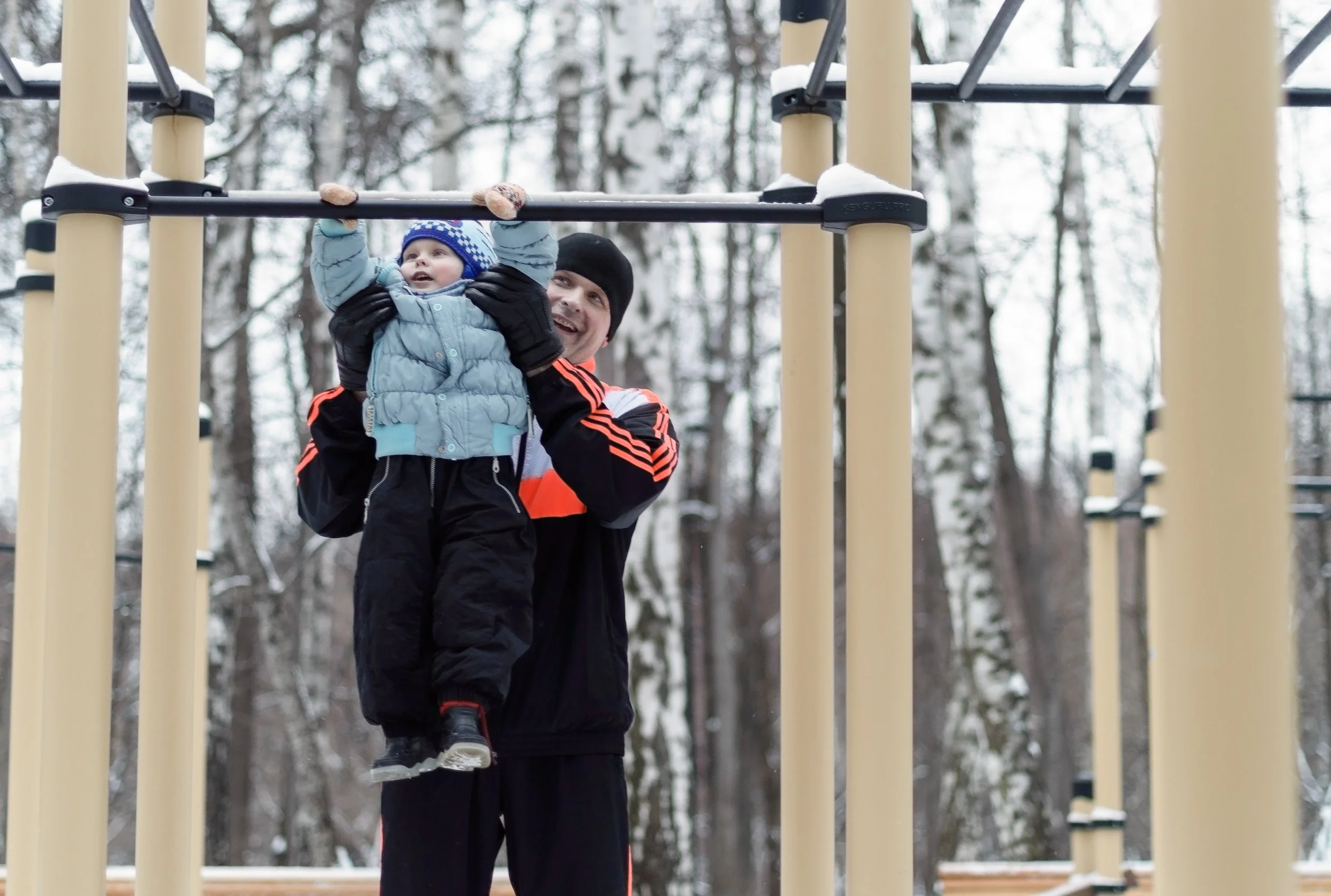
Pull-ups are a core training exercise for most climbers. The grip position used in a pull-up has a significant impact on which muscles are being used and therefore being strengthened. Understanding the anatomy and biomechanics of the different variations of the pull-up can help you more specifically target your strength training for specific muscle groups and movement patterns. This is particularly important for athletes with shoulder and/or elbow pain to ensure you are loading the different structures of the arm and shoulder appropriately.
Treatment for Neck Pain and Cervical Disc Herniation
Cervical disc herniation is a common source of cervical radiculopathy which may lead to sensory deficits, motor weakness, and/or radicular pain. The specific signs and symptoms of cervical vary based on which vertebral level is affected. This is because depending on where the herniation occurs, it will lead to compression of a different spinal nerve. The symptoms of cervical disc herniations are unique to each spinal nerve as each one innervates different muscles and areas of the body.
Learn more about neck pain and cervical vertebra health at our Main Street physiotherapy and massage clinic in Vancouver, BC
What Osteoporosis Means
Just as it’s important to recognize the risk factors leading to a diagnosis of osteoporosis for early detection, it is just as important, once diagnosed, to recognize and address factors that contribute to unfavourable consequences of the disease.
Physiotherapy plays a huge role in the prevention and management of osteoporosis. Early treatment is imperative as a preventative measure to stop the deterioration of the bones as soon as possible, and therefore risk of fracture.
Visit our Main Street physiotherapy clinic where our Vancouver physiotherapists will assist with treatment and management of osteoporosis. Find out what osteoporosis means for you.
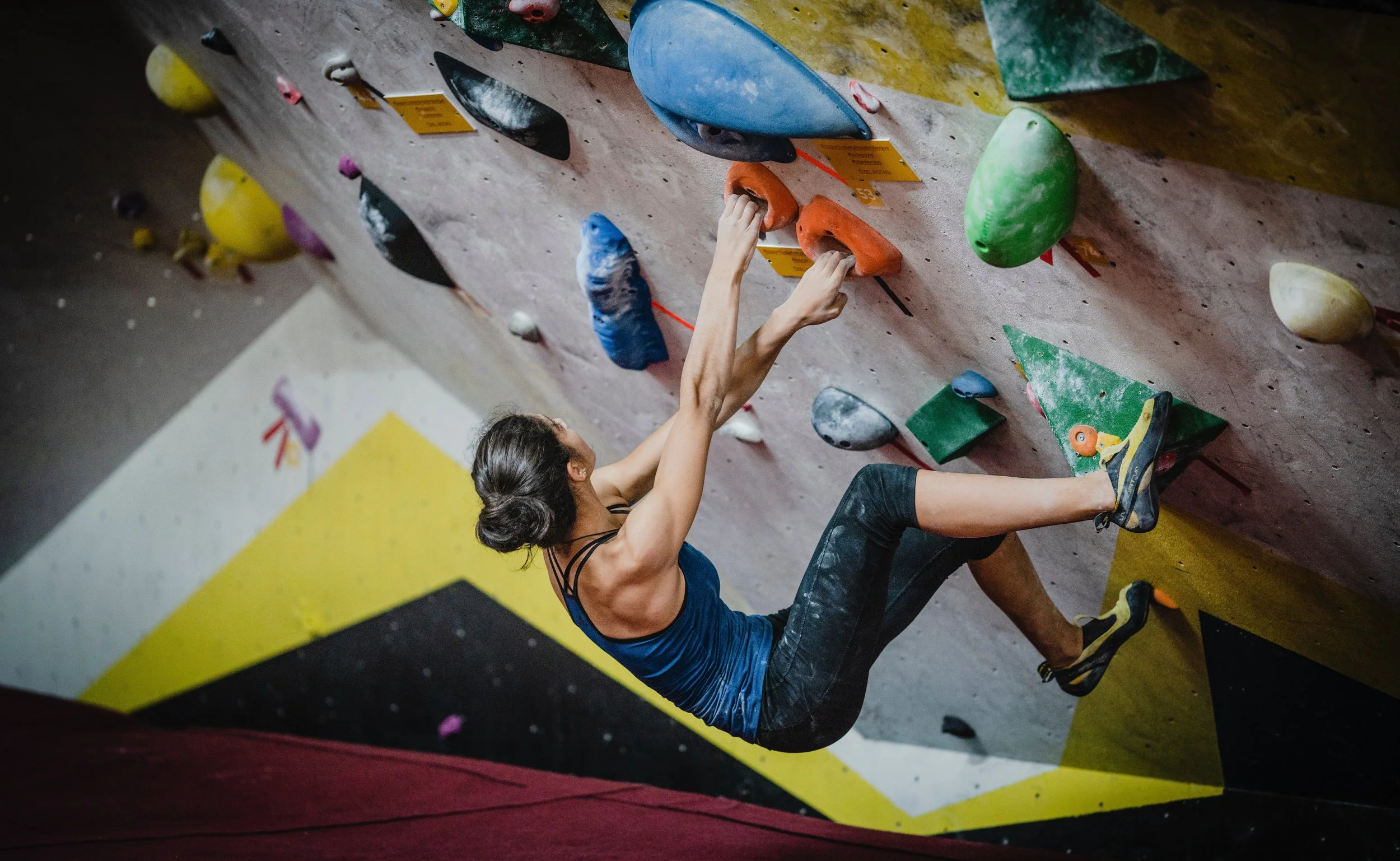
Neural Tension (Nerve Entrapment) Physio for Rock Climbing
Nerve entrapment is difficult to diagnose because the location, signs, and symptoms mimic those of other common musculoskeletal disorders that climbers experience such as lateral epicondylitis (tennis elbow), and medial epicondylitis (golfer’s/climber’s elbow).
Regardless of whether you have nerve entrapment or a tendinopathy such as lateral or medial epicondylitis, the first step to recovery will be an accurate diagnosis so that you can begin an appropriate treatment protocol to alleviate your symptoms.

FDP Injury and Rehab
Flexor Digitorum Profundus (FDP) is a muscle that extends from our elbows, down our forearms, and attaches to the bones of our fingers via its tendons. The FDP muscle is involved in finger flexion (bending/curling our fingers) making it an extremely important muscle for climbing. Our FDP muscles are involved with a variety of climbing grips (crimps, pinches, slopers, jugs, etc.), and developing FDP strength is essential for climbing performance, but it is also one of the most common sources of hand, finger, or forearm pain and injury in climbers.
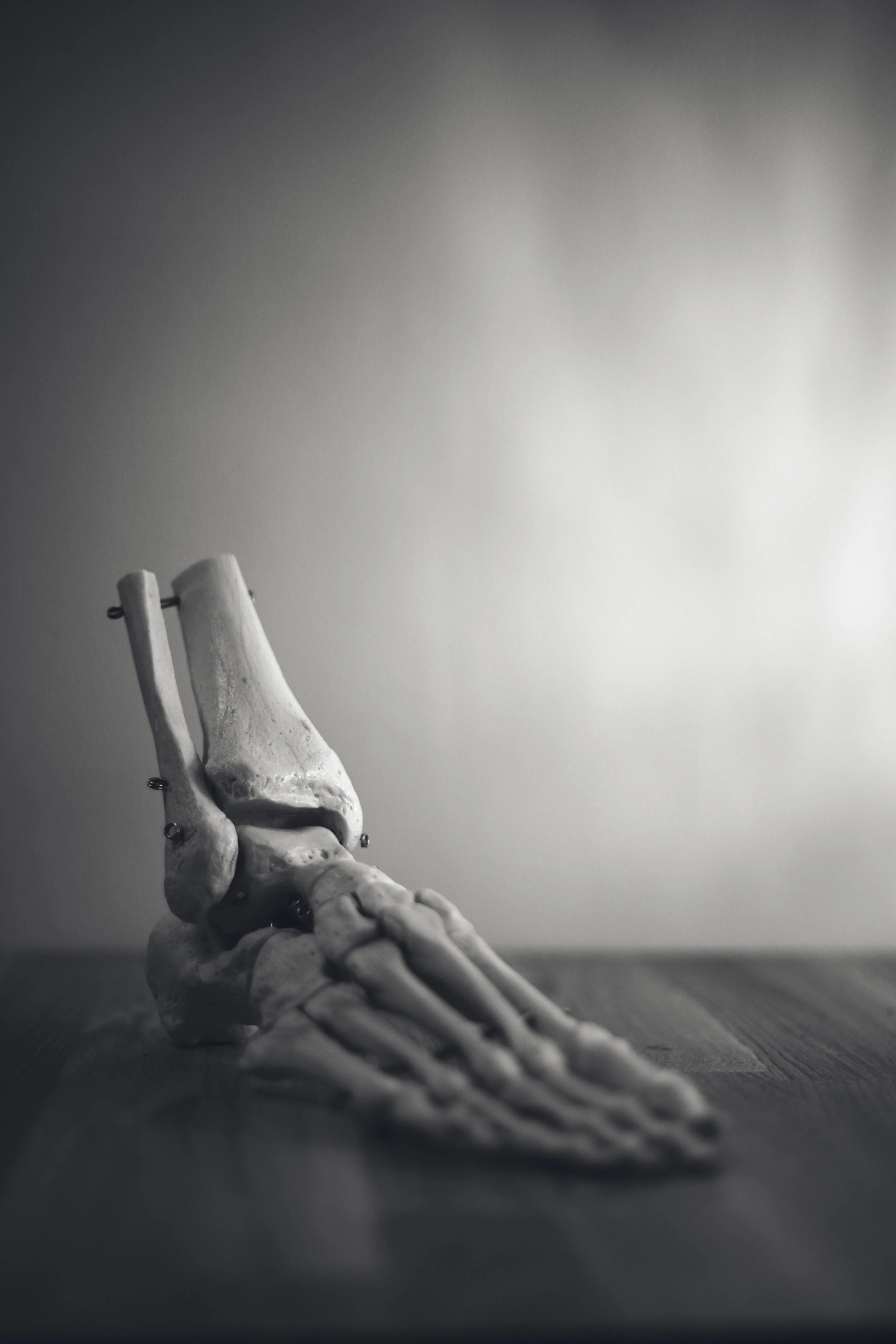
Ankle Mobility and Strengthening for Climbers
Without good ankle strength throughout the entire range of motion of the ankle, a climber may be able to get into positions requiring good mobility but will have difficulty moving out of them. Additionally, ankle strength and mobility are important for generating power for dynos, toe hooks, and heel hooks, as well as injury prevention — for example, preventing ankle sprains when landing on a crashpad, or tough heel-toe cams.

“Ban the Clam?” Rethinking the clamshell exercise in post hip arthroplasty rehab
While the clamshell can be a useful exercise to strengthen the hip abductors, there are certain cases in which it may be contraindicated. One example of a scenario when the clamshell exercise may be counterproductive is in patients with lateral hip pain caused by gluteal tendinopathies.

Pinching, Crimping, and Big-Wall Blues: De Quervain’s Tenosynovitis
De Quervain’s Tenosynovitis is a painful condition that affects the tendons at the base of the radial (thumb) side of the wrist. De Quervain’s Tenosynovitis occurs when the tendons at the base of the wrist become irritated or restricted. This condition is often linked to activities requiring repeated wrist movements or grasping including gardening, tennis, texting, golf, hammering, and rock climbing.
Prevention and Treatment of “Belayer’s Neck”
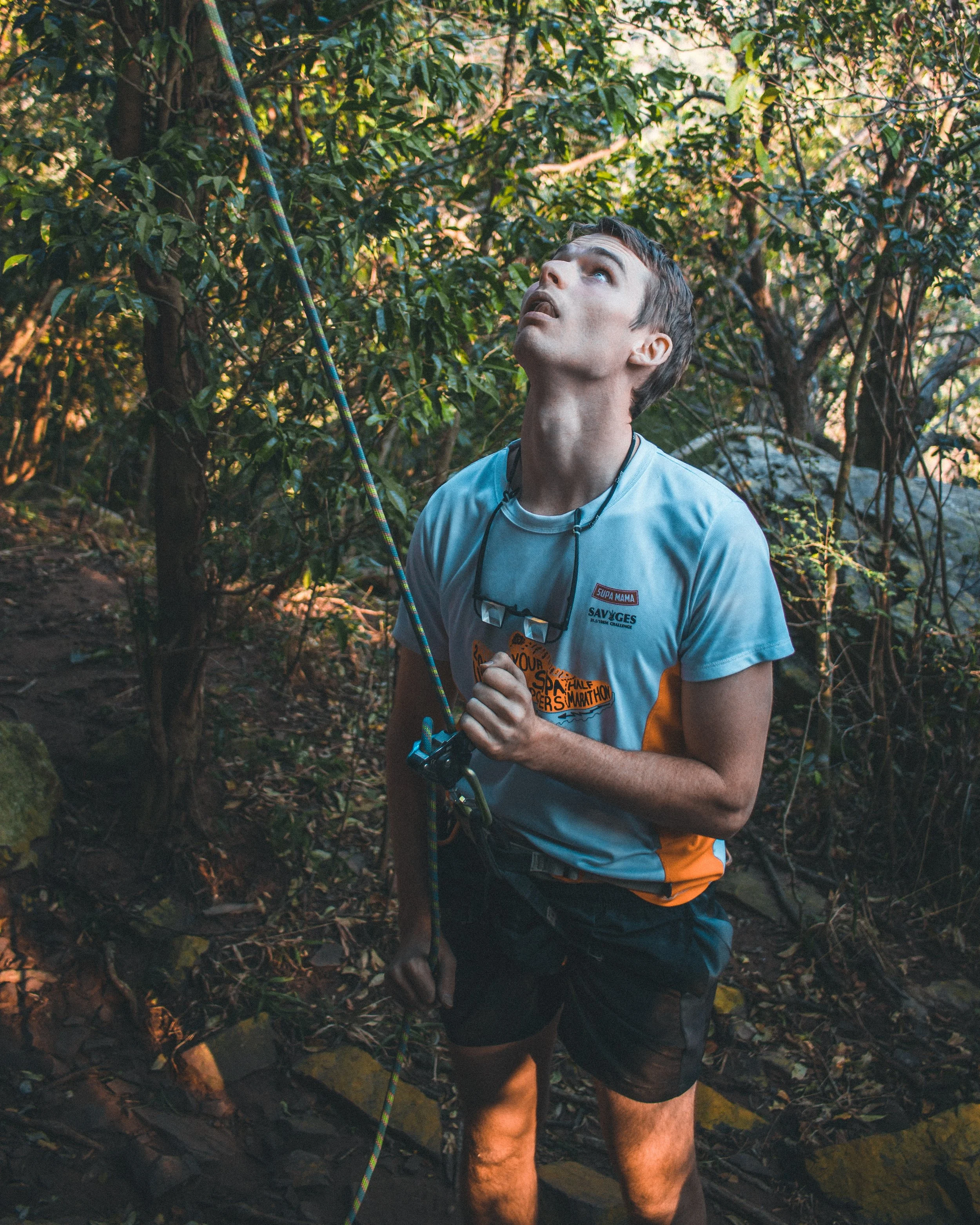
Belayer’s neck is a term climbers use to describe pain and stiffness in the back of the neck that occurs as a result of looking upwards and belaying for long periods of time. The term belayer’s neck isn’t a single diagnosis, but rather a colloquial term used to describe a wide range of conditions that cause the symptoms belayers often experience at the back of their necks.

4 Stages of Recovery from Growth Plate Fractures
The bones of children and adults share many of the same risk factors when it comes to athletic injuries, however, because they are still growing, a children’s bones are more prone to a unique injury: epiphyseal fractures (growth plate fractures).
Through engaging in evidence-based practice, the physiotherapists at Elios Health will ensure you receive the best possible care when recovering from an injury and returning to your favourite sports and daily activities.

Recovery in Climbing (Part II) - 3 Ways to Recover
Part II of our series, “Recovery in Climbing.”
Can’t help but wonder - is there a difference in short, medium, and long-term recovery? Should you approach each differently? Short answer - yes.
Long answer - read on to learn more about how to maximize recovery from our Vancouver physiotherapy author Rachel Rubin-Sarganis.
Recovery in Climbing (Part I) - 5 Causes of Fatigue
Any serious athlete knows that recovery is just as important as the training itself. If you want to optimize your climbing performance, knowing how to limit fatigue and speed up recovery is as important as knowing how to perform a knee-bar, a finger jam, or drop-knee. Your ability to recover after a hard training session or working on a climbing project depends on numerous factors including age, genetics, and fitness level, but regardless of these factors, there are various tips and strategies that you can use to help enhance the recovery process!
5 Exercises for ‘Climber’s Elbow’
Medial epicondylitis, also known as climber’s, golfer’s, or baseball elbow; is an overuse injury of the elbow characterized by pain from the elbow to the rest on the medial side of the elbow. The medial elbow region is prone to overuse injuries in climbing for a couple of reasons.
Physiotherapy will be an extremely important aspect of medial epicondylitis treatment. As climber’s and athletes, the physiotherapists at Elios Health are very familiar with medial epicondylitis and want to help you minimize the impact your symptoms place on your climbing and daily activities.
6 Symptoms of ‘Skier’s Thumb’
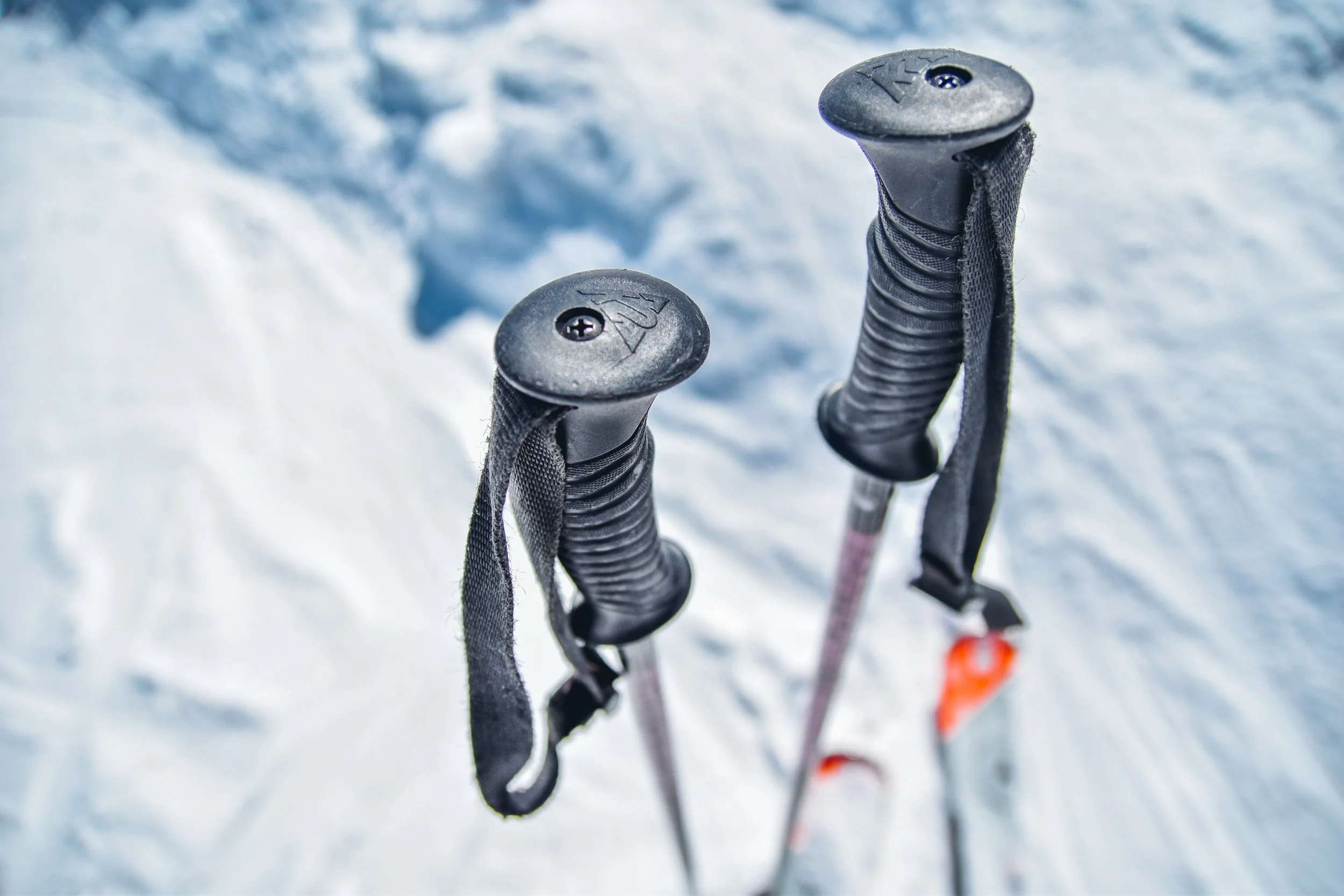
It’s the time of year for winter sports and snow-packed adventures. “Skier’s Thumb” is one of the most common hand injuries associated with winter sports.
To ensure success as you hit the slopes, read this blog post to learn all about the anatomy, symptoms, causes, and treatment options for Skier’s Thumb.
If you sustain a thumb injury this winter and are in the Greater Vancouver area, consult with us at Elios Health so that you can return to your winter activities safely. With the proper treatment and rehabilitation, we can help get you back to the mountains pain-free as soon as possible.
Knee Pain While Squatting and 3 Tips to Prevent It!
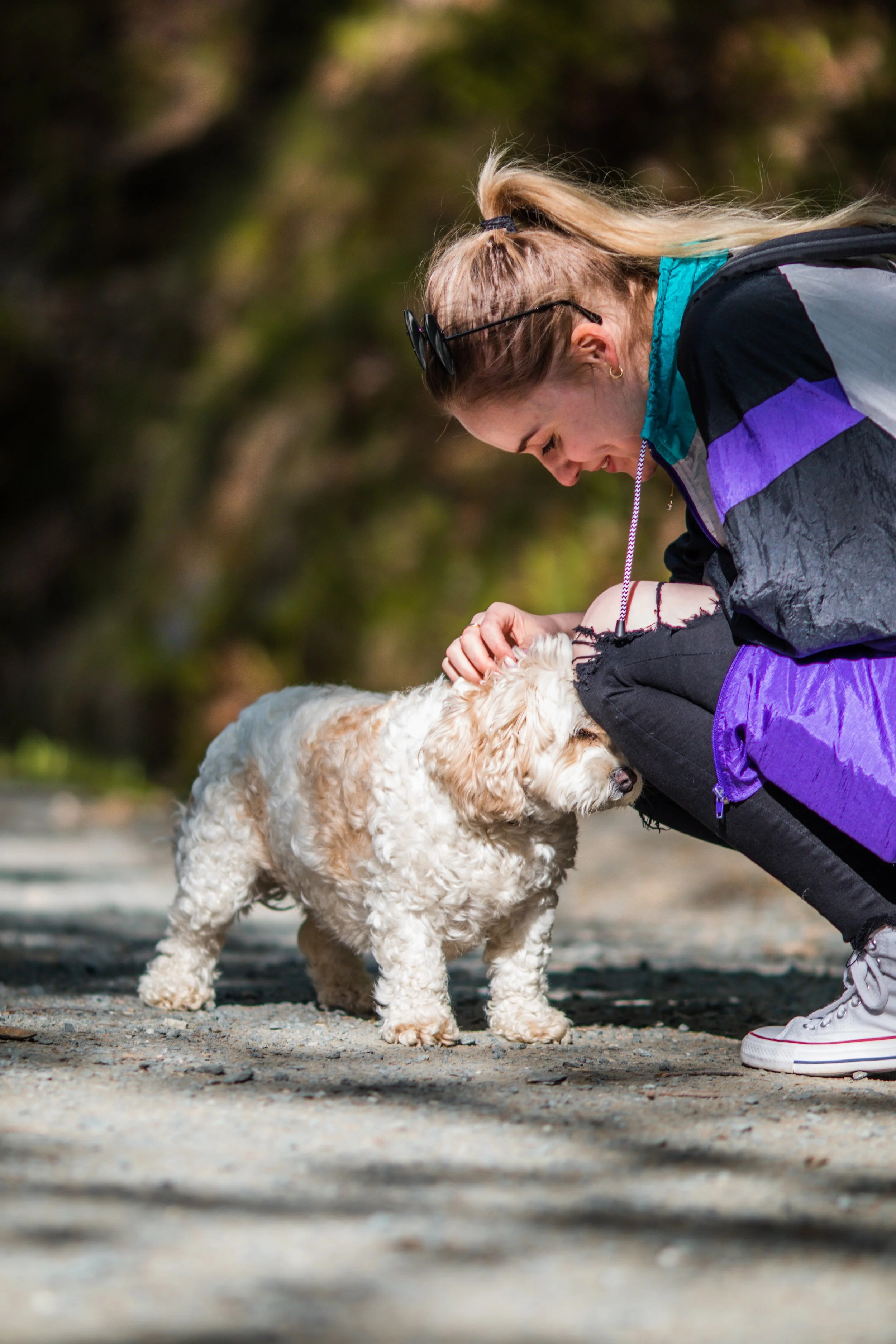
The knee is designed to move through flexion and extensions and facilitate the squatting motion. For most people, it should not cause knee pain, however, knee pain while squatting is a very common complaint.
Usually, the issue stems from poor movement patterns when performing the exercise due to muscle imbalances, limited mobility, and poor form. When left unaddressed, these issues can lead to acute and chronic knee injuries.
3 Exercise to Improve Shoulder Stability
Rachel (Physio Beta) is at it again.
Enjoy three of her favourite exercises for improving shoulder stability.
Hint: one of them requires balance!
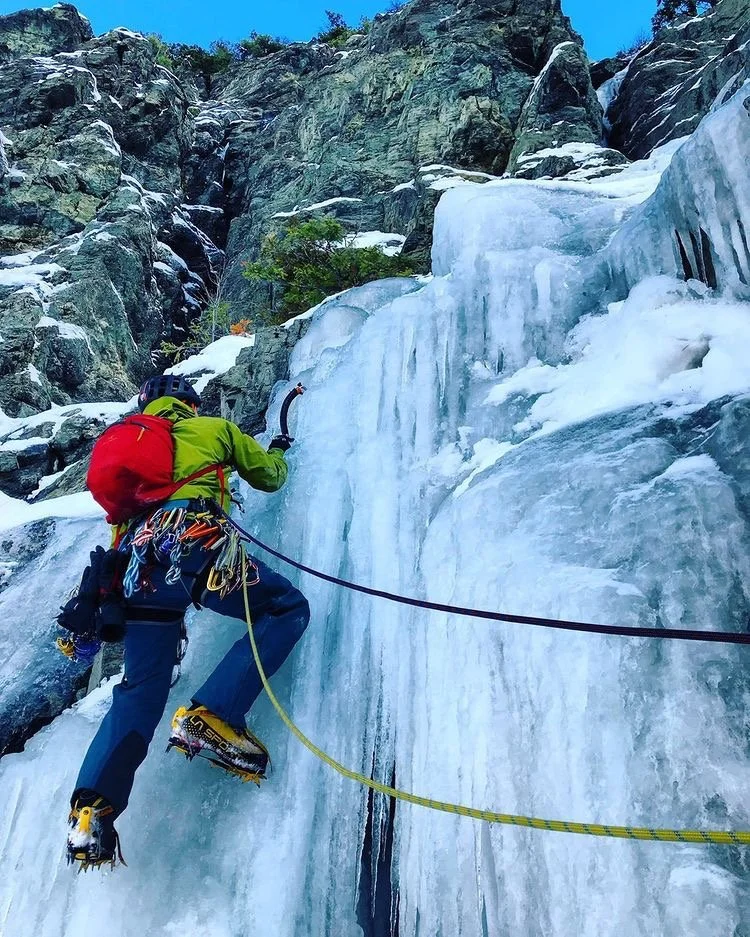
7 Symptoms of “Ice Axe Wrist”
As the weather gets colder, many rock climbers are shifting their focus from their outdoor sport climbing and boulder projects to training and gym climbing. For some climbers, however, the snow and cold weather mark the start of ice climbing season.
One common injury seen among ice climbers is “ice axe wrist”. It is an overuse injury caused by prolonged activity involving flexion and extension of the wrist, especially while holding heavy tools (such as an ice axe). Ice axe wrist is also commonly seen in rowers, weightlifters, and skiers.
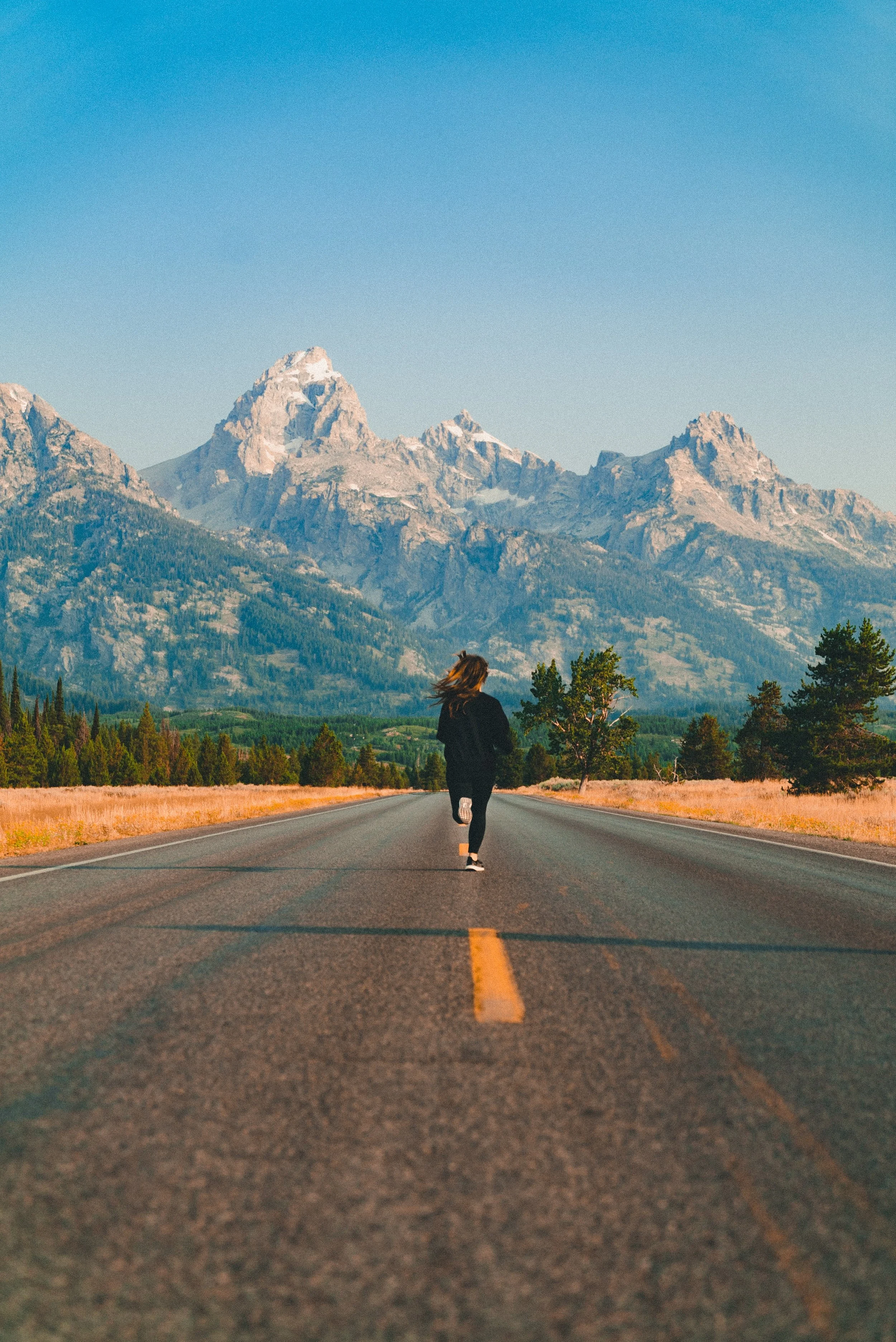
How to start running postpartum
Getting back into running postpartum can be a difficult task. Not only do new moms face complete changes to their daily routines but their muscles, joints and ligaments also go through drastic changes as well.
We would hardly expect injured athletes to be able to jump back into running at a pre-injury level and becoming a new mother is no different.
The following provides some information to consider when returning to running postpartum.
3 Phases of Rehab from Lateral Ankle Sprain
Oh no, a sprained ankle!
It’s one of the most frustrating times is when you just can’t “walk it off”.
Let’s take a look at what’s going on down there…
8 Signs of an ACL Injury
The ACL is the most commonly injured ligament in the knee and often affects younger, active individuals who participate in sports. Injuries to the ACL are usually caused by non-contact rotational forces such as sudden changes in direction, rapid stopping, jumping, and landing abnormally.
The Anterior cruciate ligament (ACL) is one of the key ligaments that act to stabilize the knee joint. The ACL connects your thighbone (femur) to the shin (tibia). Together with the posterior cruciate ligament (PCL), the ACL forms a cross-shaped band that prevents excessive forwards or backward movement of the shinbone relative to the thigh, as well as provides the knee with rotational stability.