
adventure blog

6 Types of Manual Therapy that will Leave you Feeling Better
Manual therapy encompasses a range of techniques used by physiotherapists to assess and treat injuries and chronic conditions causing pain, stiffness, and reduced range of motion of the arms, legs, and spine. It involves hands-on treatments geared towards improving muscle function while minimizing pain.
Read on to learn more about the types of manual therapy, and who it helps!

Top 3 Components of a Sports Nutrition Plan
At Elios Health, it is the responsibility of our certified sports nutritionist, Dr. Marieta Buse ND to help patients make more intuitive decisions around food.
Eating healthy is much easier when you have a plan and great habits.
Here are three areas to help maintain an optimal balance with your nutrition and diet.

What is a Rotator Cuff Tear?
What is a rotator cuff? What are people always talking about it? In fact, what makes it a “cuff”? Is it like a cuff link?
Ok, we are getting a little out of hand here.
Read on to learn more about the anatomy of the shoulder, and our three favourite exercises to prevent rotator cuff injuries!

What is Lateral Epicondylitis?
Lateral epicondylitis, or tennis elbow as it is more commonly known, is a painful condition of the elbow caused by overuse. As you may have guessed, tennis and other racquet sports are a common culprit of the injury, however, several other sports such as golf, baseball, martial arts, and rock climbing can also lead to the condition. Non-athletes can be prone to tennis elbow as well, and it is a common occurrence in painters, carpenters, musicians, and plumbers.
Let’s explore the anatomy of the elbow, and ways to address elbow pain.

Acute vs Chronic Injuries
How do you know if your pain is just something from last weekend's adventure or a sign of something more long-term? In this post we look at signs and symptoms of chronic and acute injuries, and what to do when you think it is something more than leftover stiffness.

IMS vs acupuncture: What is the difference?
Acupuncture and intramuscular stimulation (IMS) can both be effective modalities for pain management. The two treatments are similar in that they both involve the insertion of a thin, single-use, sterile needle to stimulate healing. The two treatments differ in the way that the needles are used and the conditions that they address.

7 Warm-Up Exercises for Hiking and Trail Running
We are all in a hurry to get to that next trail! However, us hikers and backpackers are are guilty (at one time or another) for failing to engage in a proper dynamic warm-up.
Warming up your (epic strong) muscles and soft tissues (not the kind you cry into) prior to hiking and backpacking is extremely important for injury prevention. Muscle, tendon, and ligament strains, sprains, and tears are less likely to occur when the body is warmed up.
Let’s take a look and see 7 warm-up exercises for hiking!

What are Pulley Injuries?
Pulley injuries are the most common type of finger injuries among rock climbers. To minimize the impact of a pulley injury on your climbing goals, it is important to understand the anatomy of the pulley system, the mechanism of injury, and how to prevent and treat finger injuries.
Static Stretching vs Dynamic Stretching
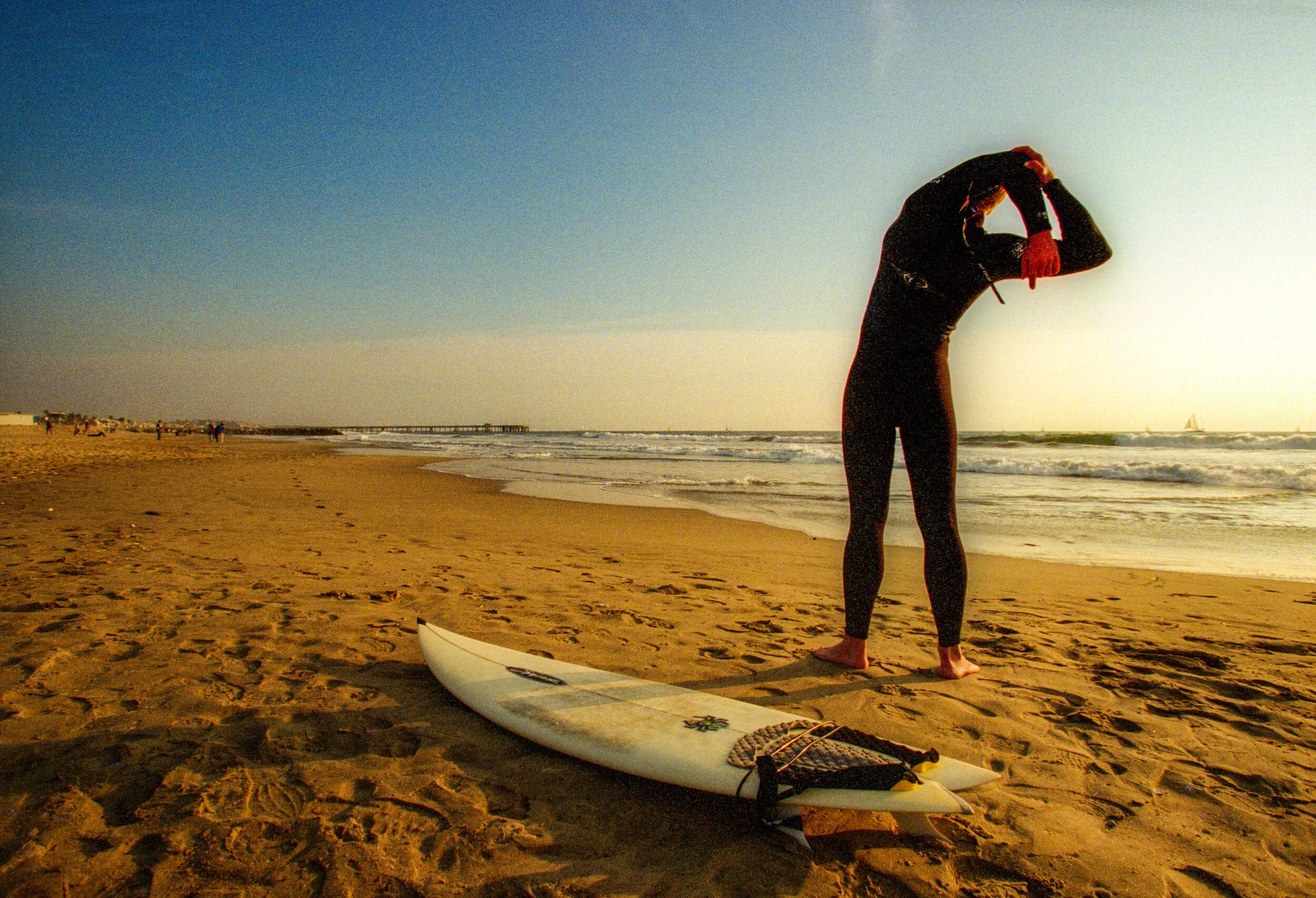
Stretching before engaging in your epic adventure (ie: sports and exercise) can help mitigate the risk of injury and optimize athletic performance by preparing your muscles, joints, ligaments, and other soft tissues for upcoming activity and load.
In adventurer’s terms: how you prepare matters!
5 tips for managing and preventing shin splints
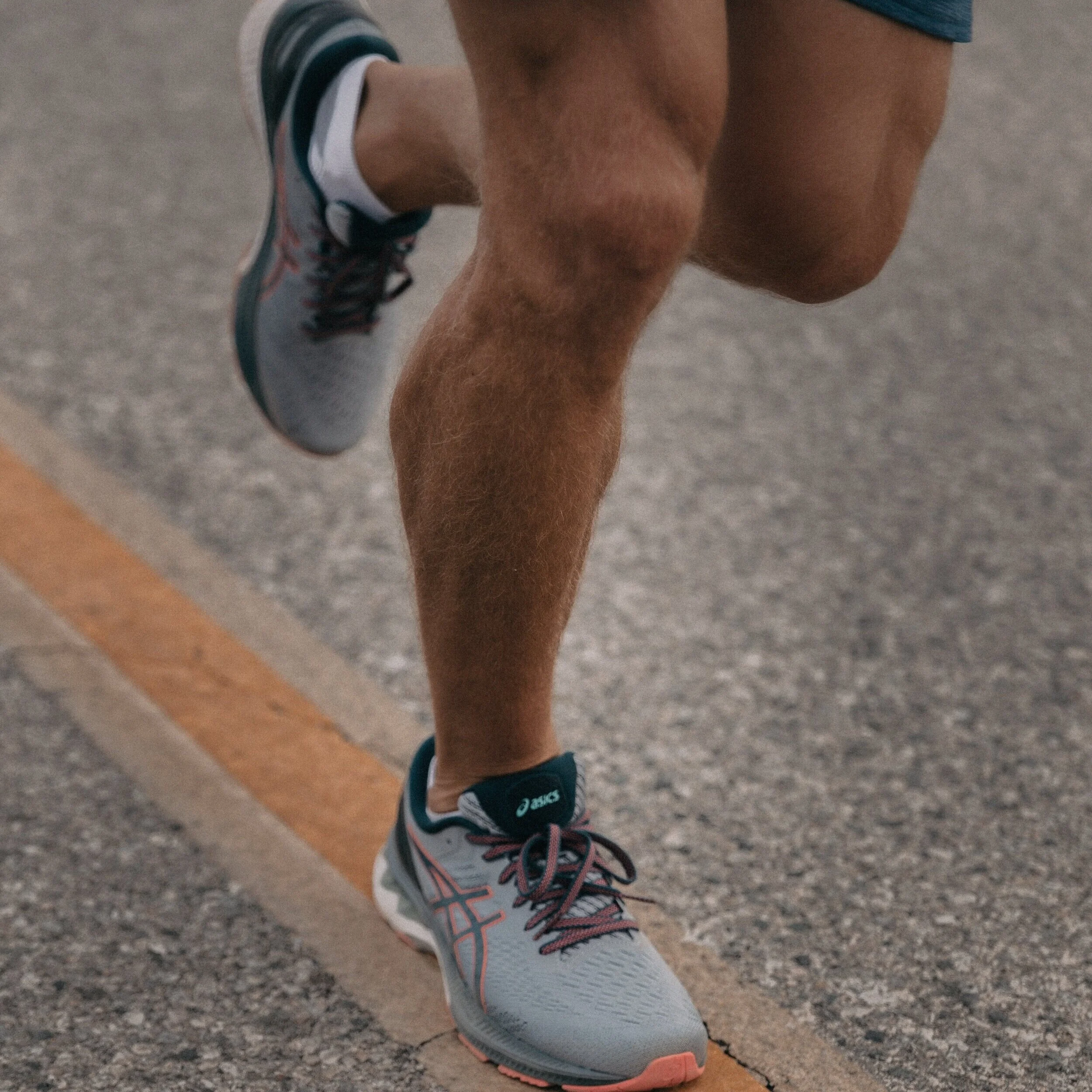
Shin splints (medial tibial stress syndrome) is described as pain or discomfort at the front of your lower leg that worsens when running or exercising.
In some cases, the pain may resolve immediately after activity or can easily be managed with ice and rest, however, shin splints can also lead to chronic pain. Although they can be very painful, shin splints are preventable and treatable with proper care.
Should I see a physiotherapist or a massage therapist (RMT)?
Massage therapy and physiotherapy are both helpful interventions to treat a variety of injuries and conditions. When you are experiencing pain or have suffered an injury, an important consideration is whether you should seek treatment from a physiotherapist or a massage therapist.

3 signs of shoulder instability in climbing
Every climber understands that having strong shoulders is crucial. Many climbers focus on strengthening the larger, mobilizing muscles of the shoulder with exercises such as push-ups, pull-ups, and shoulder press; but neglect rotator cuff muscles that stabilize the joint.